Iris Schmidt · 22 October 2026
Uncovering Training Programs That Equip Technicians for Handling Specialized Reciprocating Equipment
Specialized reciprocating equipment such as compressors, pumps, and engines demands precise technical knowledge because these machines operate under high pressures and cyclic loads in sectors like energy production and manufacturing. Training programs focus on mechanical principles, safety protocols, and diagnostic techniques that allow technicians to maintain reliability while minimizing downtime. Data from industry reports show that structured education reduces equipment failures by addressing common issues like piston wear and valve misalignment before they escalate.
Core Components of Effective Training Curricula
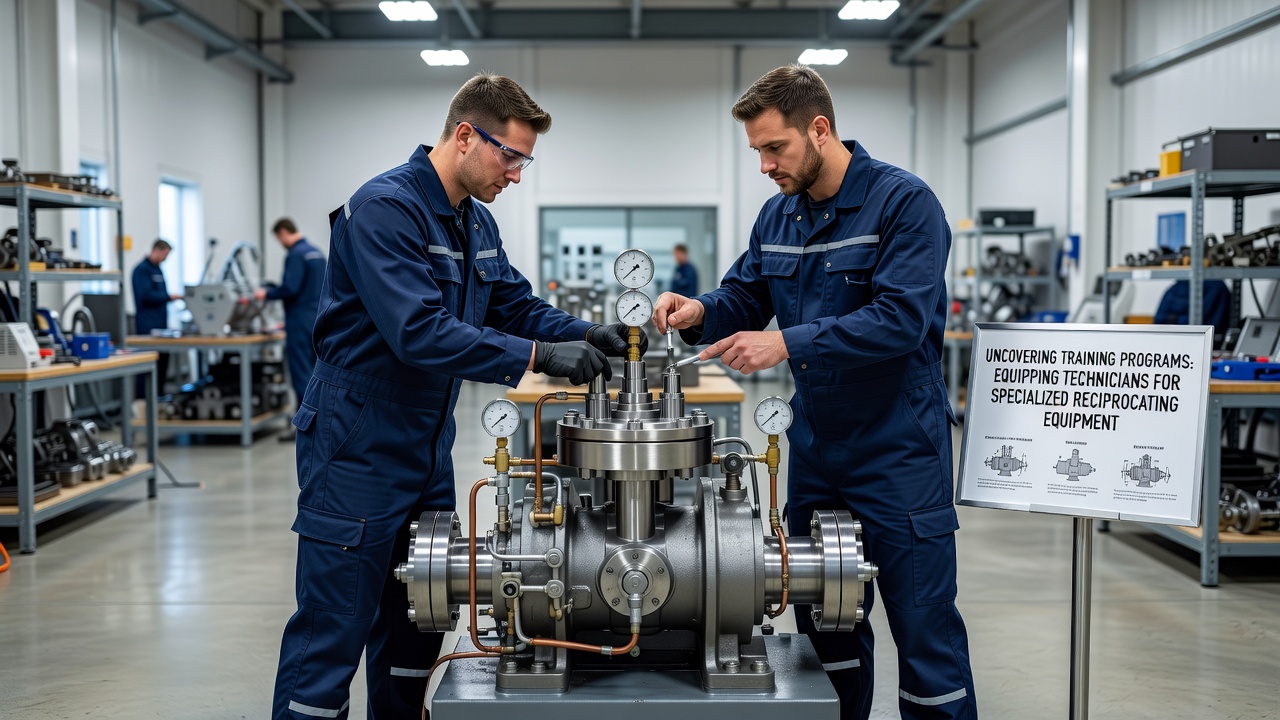
Programs typically begin with foundational modules on thermodynamics and fluid dynamics, then progress to hands-on disassembly and reassembly of reciprocating components. Participants learn to interpret vibration data and pressure waveforms using sensors integrated into modern systems. According to the American Petroleum Institute, certification tracks emphasize compliance with API 618 standards for reciprocating compressors, which cover design tolerances and maintenance intervals across global operations.
Advanced sessions cover troubleshooting under variable load conditions where thermal expansion and material fatigue interact. Technicians practice alignment procedures with laser tools and review case studies involving seal failures in high-vibration environments. These elements combine classroom theory with simulated fault scenarios that mirror real plant conditions.
Certification Pathways and Delivery Formats
Organizations deliver training through blended formats that pair online modules on regulatory requirements with in-person workshops at dedicated facilities. The Canadian Centre for Occupational Health and Safety provides resources that align with provincial safety codes, helping programs incorporate lockout procedures and hazard assessments specific to reciprocating machinery. Completion often leads to credentials recognized by employers in oil and gas or chemical processing industries.
Duration varies from intensive two-week courses for experienced mechanics to six-month apprenticeships that integrate on-the-job rotations. Assessment methods include practical evaluations where candidates must diagnose and correct simulated imbalances within defined time limits. Figures from workforce development studies indicate that certified technicians complete maintenance tasks 25 percent faster on average than uncertified peers.
Emerging Focus Areas in 2026 Programs
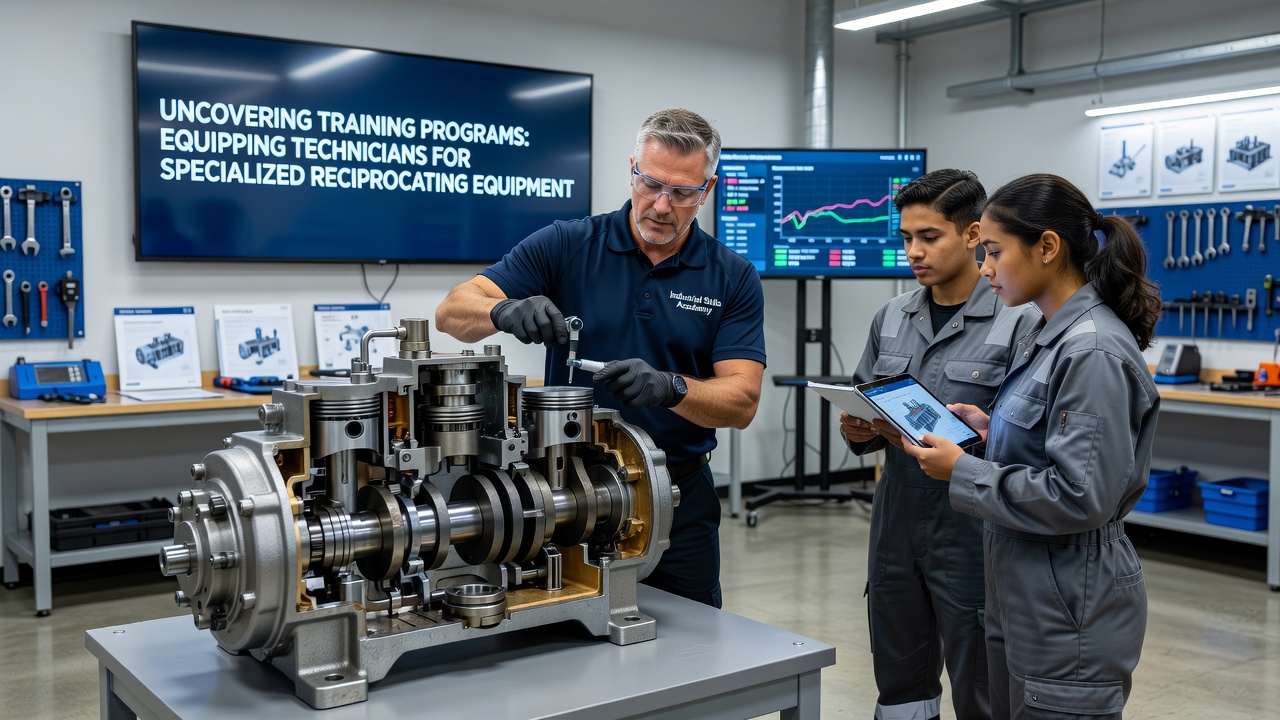
By October 2026, several initiatives plan to introduce updated modules on digital twin modeling and predictive analytics for reciprocating systems. These additions address the integration of IoT sensors that track real-time performance metrics such as rod load and temperature differentials. Training providers incorporate software simulations that allow technicians to test adjustment scenarios without risking actual equipment.
Regional variations appear in curriculum emphasis. North American programs often prioritize regulatory alignment with environmental emission controls, while European counterparts stress energy efficiency metrics under updated directives. Participants examine how coating technologies on piston surfaces influence longevity in abrasive service conditions, drawing from documented field data.
Industry Partnerships Driving Program Expansion
Manufacturers collaborate with technical colleges to supply equipment for training labs, ensuring exposure to current models of compressors and their auxiliary systems. Partnerships facilitate access to proprietary diagnostic software and spare parts inventories that reflect operational realities. Observers note that such collaborations produce graduates who transition directly into roles requiring minimal additional onboarding.
Continuing education requirements keep credentials current as equipment designs evolve. Annual refreshers cover updates to material specifications and inspection techniques, including ultrasonic testing for internal component integrity. Research indicates that ongoing participation correlates with lower incident rates during major overhauls.
Conclusion
Training programs for specialized reciprocating equipment continue to adapt through targeted curricula and certification standards that equip technicians with applicable skills. Organizations maintain focus on practical competencies alongside regulatory knowledge, supporting consistent performance across industrial applications. As digital tools gain prominence ahead of October 2026 initiatives, these programs position the workforce to manage increasingly complex machinery with precision and safety.