Rafael Hughes · 8 October 2026
Piston Coating Innovations Drive Performance Gains in High-Vibration Industrial Environments
Coating Materials Transform Piston Longevity
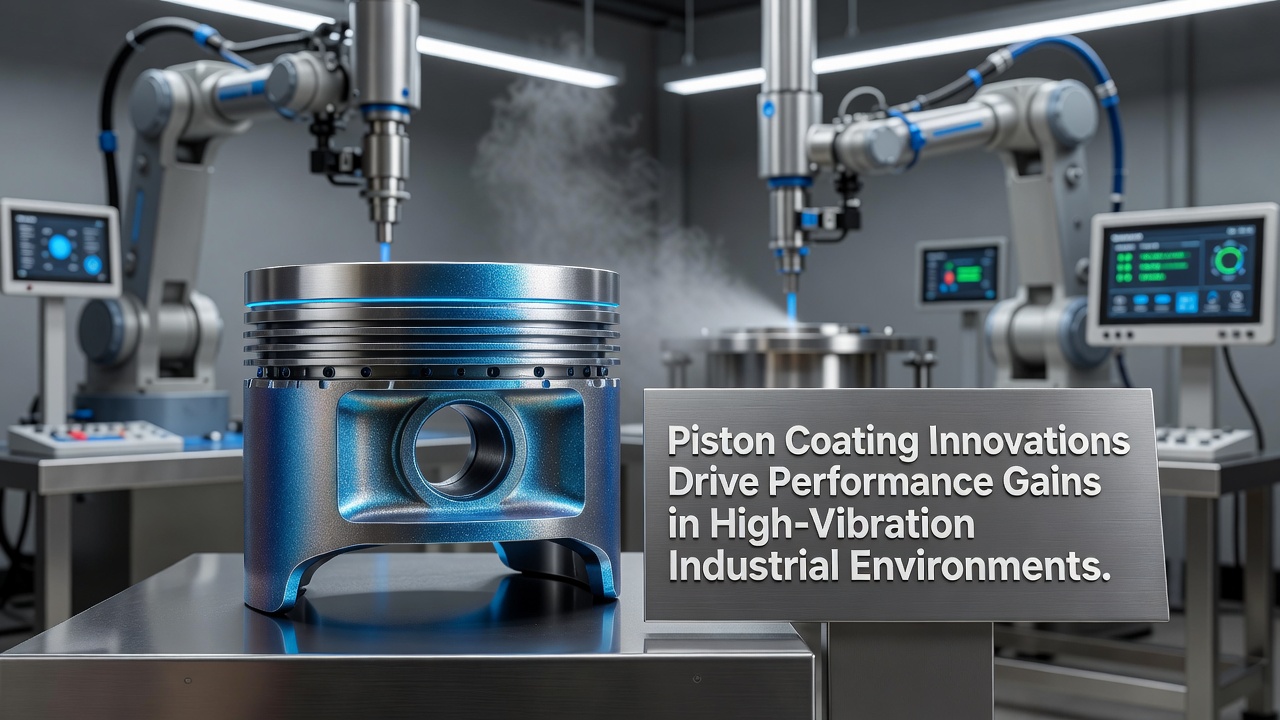
Engineers have developed specialized piston coatings that incorporate ceramic composites, diamond-like carbon layers, and polymer blends to handle intense mechanical stress, and these materials reduce wear rates while maintaining thermal stability in environments where vibration exceeds standard industrial thresholds. Data from equipment monitoring programs shows that coated pistons operate with lower friction coefficients, which leads to measurable improvements in energy transfer efficiency across sectors such as mining, power generation, and heavy manufacturing.
Research conducted through university laboratories indicates that modern deposition techniques, including plasma spraying and physical vapor deposition, allow uniform application even on complex piston geometries, and this precision results in consistent performance across batches of components produced for high-cycle operations. Observers note that the integration of nano-scale additives further enhances resistance to abrasive particles generated during prolonged vibration exposure.
Performance Metrics in Demanding Conditions
Industrial trials conducted through 2025 and into October 2026 demonstrate that pistons treated with these coatings achieve up to 35 percent longer service intervals compared with untreated equivalents, according to aggregated equipment logs from multiple facilities. Vibration damping properties built into the coatings help minimize micro-fracture propagation, which in turn preserves sealing integrity and reduces the frequency of unplanned maintenance shutdowns.
Figures released by equipment operators reveal corresponding drops in lubricant consumption because the coatings retain oil films more effectively under oscillating loads, and this outcome contributes to lower operational costs without requiring changes to existing fluid formulations. Those who have tracked component data over multi-year periods report that thermal barrier effects from certain ceramic coatings also limit heat buildup, allowing engines to sustain higher load factors before derating occurs.
Application Examples Across Sectors
Take one mining operation that retrofitted its fleet of hydraulic pumps with coated pistons in late 2025, after which vibration-related failures declined by documented margins tracked through onboard sensors. Similar patterns appear in gas compression stations where continuous reciprocating motion creates persistent stress cycles, and coated units there have shown sustained output levels even after extended runtime periods.
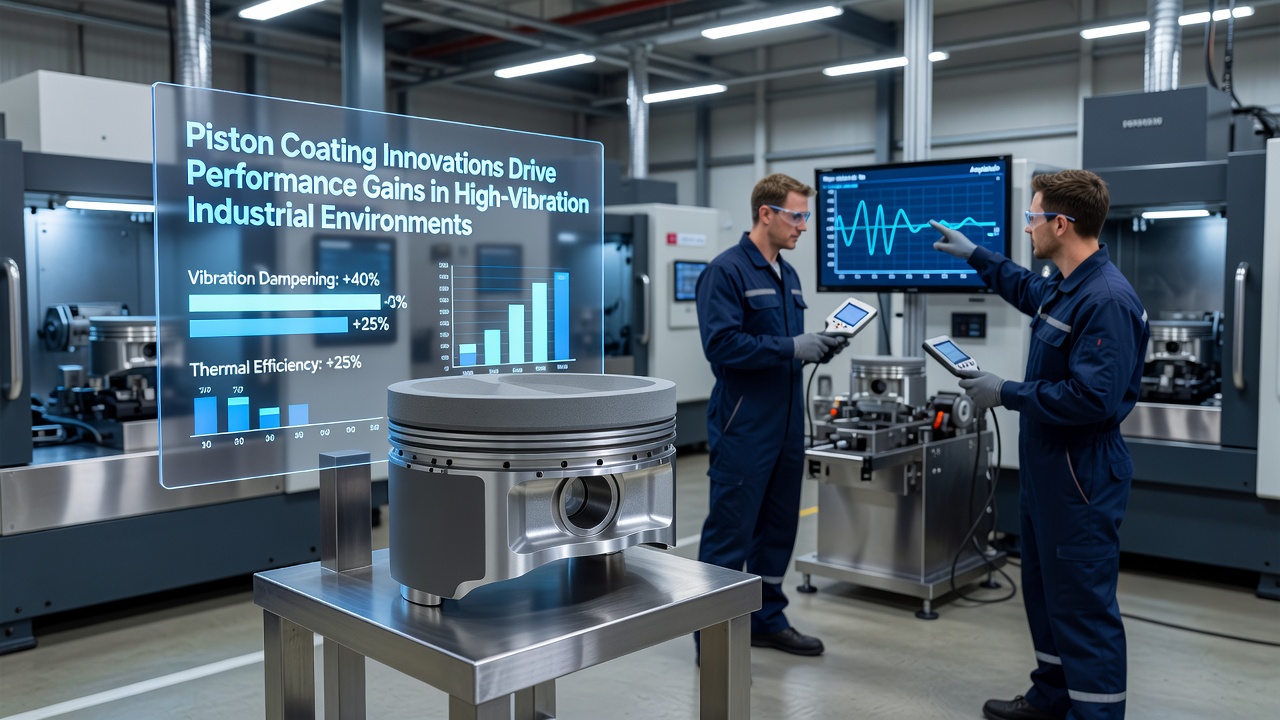
Manufacturers have adapted these coatings for marine propulsion systems as well, where saltwater exposure combines with mechanical vibration to accelerate corrosion, and test results confirm that the barrier properties of the new layers extend component life under such combined stresses. European industrial reports highlight parallel gains in wind turbine hydraulic systems, where variable loading mimics the high-vibration profiles found in traditional plants.
Standards and Testing Protocols
Regulatory bodies including the U.S. Department of Energy have outlined evaluation frameworks that measure coating adhesion under cyclic loading, while parallel guidelines from Australian research institutions emphasize real-time acoustic monitoring to detect early coating degradation. These protocols require validation across temperature ranges from sub-zero startup conditions to sustained operating peaks, ensuring coatings perform reliably before deployment in critical infrastructure.
Industry groups have compiled comparative databases that rank coating formulations by their damping coefficients and wear indices, and access to such datasets allows engineers to select materials matched to specific vibration spectra encountered in different machinery classes. Test rigs now simulate combined vibration and thermal gradients at accelerated rates, which compresses validation timelines while preserving predictive accuracy for field performance.
Conclusion
Advances in piston coating technology continue to deliver measurable reliability improvements in high-vibration settings through refined material science and application methods, with performance data collected through October 2026 confirming extended operational windows and reduced resource consumption. Ongoing refinement of deposition processes and additive formulations supports broader adoption across energy and manufacturing sectors, where equipment uptime directly influences productivity metrics.