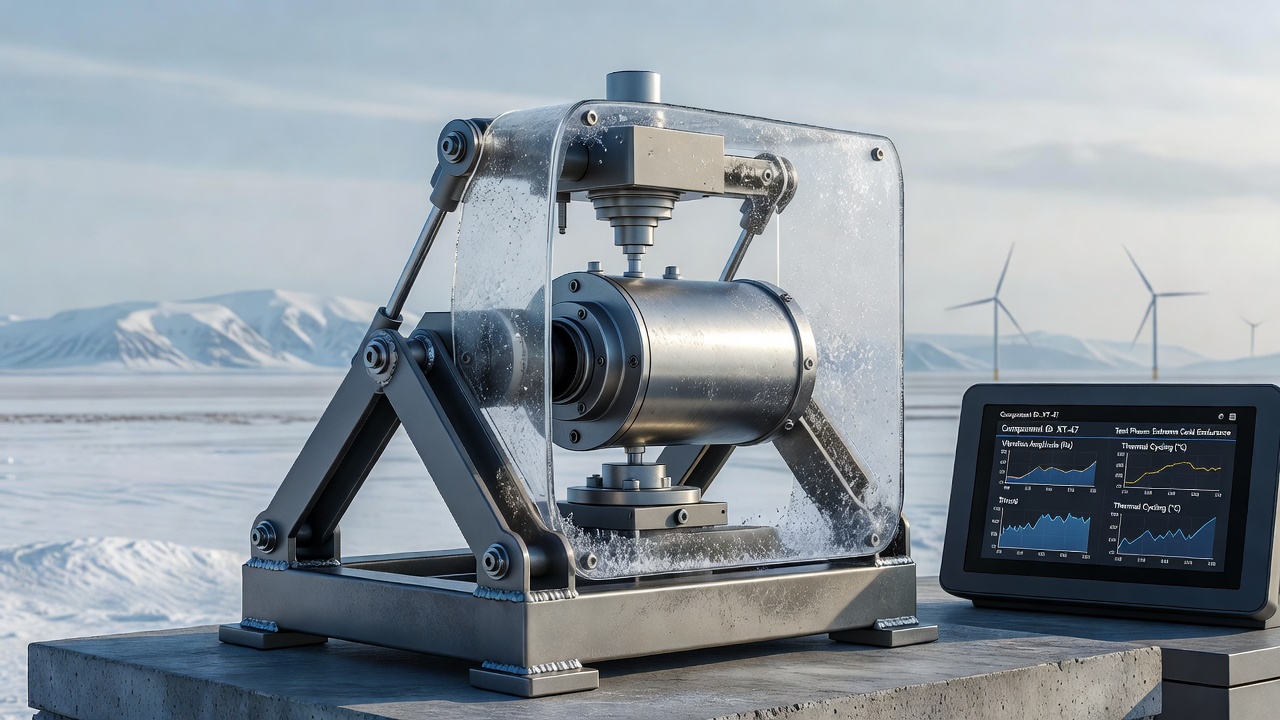
Rafael Hughes · 10 September 2026
Exploring Component Durability in Extreme Conditions for Energy Sector Applications
Energy infrastructure operates across environments that push materials to their limits, and component durability remains central to reliable performance in sectors such as offshore wind, geothermal, oil and gas extraction, and high-temperature solar. Research programs document how alloys, composites, and coatings withstand combinations of pressure, temperature swings, corrosion, and mechanical stress that shorten service life when designs fall short.
High-Pressure and Temperature Environments in Oil and Gas Operations
Deepwater drilling and high-pressure high-temperature reservoirs subject valves, seals, and piping to conditions exceeding 15,000 psi and 200 degrees Celsius, where standard carbon steels lose strength and corrosion accelerates. Studies from the US Department of Energy track how nickel-based superalloys and duplex stainless steels maintain yield strength and resist sulfide stress cracking under these loads. Data collected from Gulf of Mexico installations show that components with optimized chromium and molybdenum content extend mean time between failures by factors of two to three compared with earlier grades.
Testing protocols developed by research groups combine autoclave exposure with cyclic loading to replicate downhole conditions, revealing that surface treatments such as nitriding and ceramic coatings further reduce wear rates on moving parts. Operators report that these enhancements lower unplanned shutdown frequency even when fluids contain high levels of hydrogen sulfide and carbon dioxide.
Corrosion Resistance in Offshore Wind and Marine Settings
Offshore wind turbines face constant salt spray, moisture cycles, and mechanical fatigue that degrade tower sections, gearboxes, and foundation structures. European research initiatives, including those coordinated through the European Commission, quantify corrosion rates on unprotected steel at 0.1 to 0.3 millimeters per year in splash zones. Cathodic protection systems combined with multi-layer epoxy and polyurethane coatings reduce metal loss to negligible levels over twenty-five-year design lives.
Blade root attachments and nacelle components encounter additional stress from vibration and temperature gradients. Accelerated laboratory tests correlate well with field data gathered from North Sea farms, confirming that hybrid carbon-glass fiber composites maintain tensile properties after thousands of wet-dry cycles. Monitoring programs installed since 2022 continue to feed real-time strain and corrosion sensor data into predictive models used by asset managers.
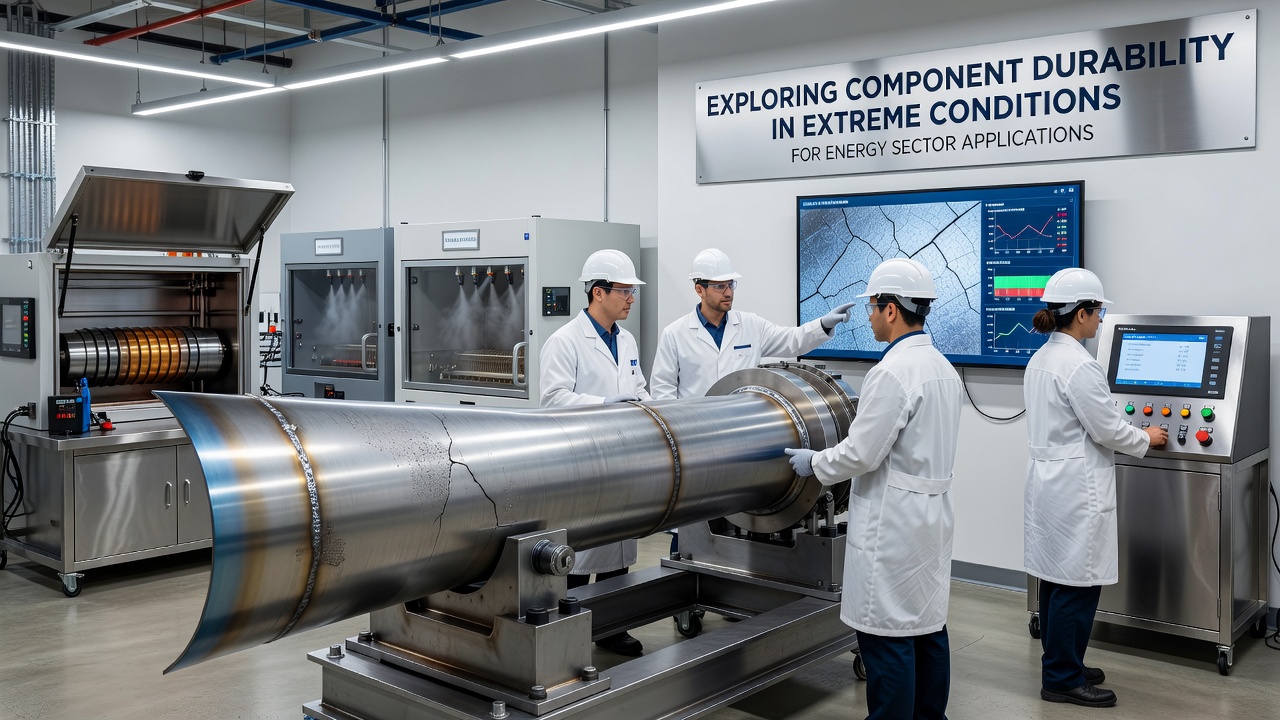
Geothermal and Concentrated Solar Applications
Geothermal plants expose turbines, pumps, and heat exchangers to brines that reach 300 degrees Celsius and carry dissolved minerals that precipitate and erode surfaces. Australian Renewable Energy Agency-funded projects document how titanium and specialized austenitic alloys resist scaling while preserving heat transfer efficiency. Field trials at several sites demonstrate that upgraded metallurgy extends equipment overhaul intervals from eighteen months to more than four years.
Concentrated solar power towers and receivers operate under intense thermal cycling between ambient night temperatures and daytime peaks above 600 degrees Celsius. Research at facilities in the southwestern United States shows that nickel-chromium alloys with aluminum diffusion coatings maintain creep resistance and oxidation protection across daily cycles. Mirror support structures also require durable coatings to prevent degradation from ultraviolet exposure and wind-driven sand abrasion.
Testing Standards and Emerging Monitoring Technologies
International standards organizations update test methods regularly to reflect service realities. Standards such as ASTM G48 for pitting corrosion and ISO 15156 for sour service environments guide material qualification. Yet full-scale component testing under combined loads remains essential because laboratory coupons cannot capture every interaction present in operating systems.
Sensor networks embedded during manufacturing now supply continuous data on strain, temperature, and acoustic emissions. Machine-learning models trained on these streams detect early signs of fatigue or coating breach, allowing operators to schedule maintenance before leaks or fractures occur. Projects scheduled to report interim findings in September 2026 aim to validate these predictive tools across multiple energy asset classes.
One study revealed that integrating fiber-optic sensors into subsea pipelines reduced inspection costs while improving detection of wall-thickness loss. Another program in Canada tracked wind-turbine gearbox bearings and found that oil-condition monitoring extended lubricant life and flagged bearing defects months ahead of conventional vibration analysis.
Material Innovations and Lifecycle Considerations
Advances in additive manufacturing allow production of complex internal cooling channels in turbine blades that improve thermal management without increasing weight. Powder-bed fusion techniques using nickel superalloys produce parts whose fatigue performance matches or exceeds traditionally forged equivalents when post-processing includes hot isostatic pressing. Researchers continue to examine how build orientation and heat treatment affect long-term creep behavior under sustained loads.
Lifecycle assessments compare upfront material costs against avoided downtime and replacement expenses. Data compiled by industry consortia indicate that specifying higher-grade alloys at the design stage often yields net savings once operational expenditures are included. Recycling pathways for end-of-life components also factor into material selection decisions, particularly for rare-earth elements used in permanent magnets within generators.
Conclusion
Component durability under extreme conditions determines both safety and economic viability across the energy sector. Ongoing laboratory programs, field monitoring, and standards development supply the evidence base that guides material choices and design practices. As deployment expands into harsher locations and higher-performance regimes, the integration of advanced alloys, coatings, and real-time diagnostics continues to shape how infrastructure meets service requirements over multi-decade horizons.